Culvert Installation & Replacement in Kansas City
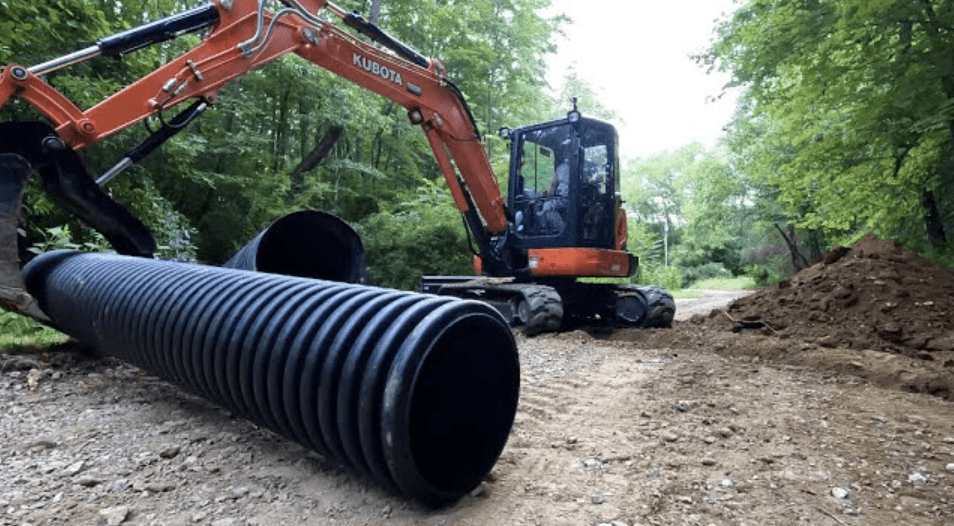
Culverts control how water moves under roads, driveways, and access points. When they’re sized, aligned, or installed incorrectly, the result is predictable: washouts, settlement, erosion, and premature failure.
ICON Grading provides culvert installation and replacement services across the Kansas City metro as part of roadway prep, drainage, and access construction. We focus on correct slope, proper bedding, solid compaction, and clean tie-ins so the culvert works as intended long after the site is finished.
Our Culvert Installation & Replacement Capabilities
Culvert work involves more than placing pipe in a trench. Grade, material selection, bedding, and outlet protection all affect performance.
Our culvert scope includes:
New culvert installation under roads, driveways, and access crossings
Culvert replacement for collapsed, crushed, or undersized pipes
Installation of common pipe materials (CMP, RCP, HDPE culverts)
Bedding preparation and placement
Pipe alignment and slope control
Backfill and compaction in controlled lifts
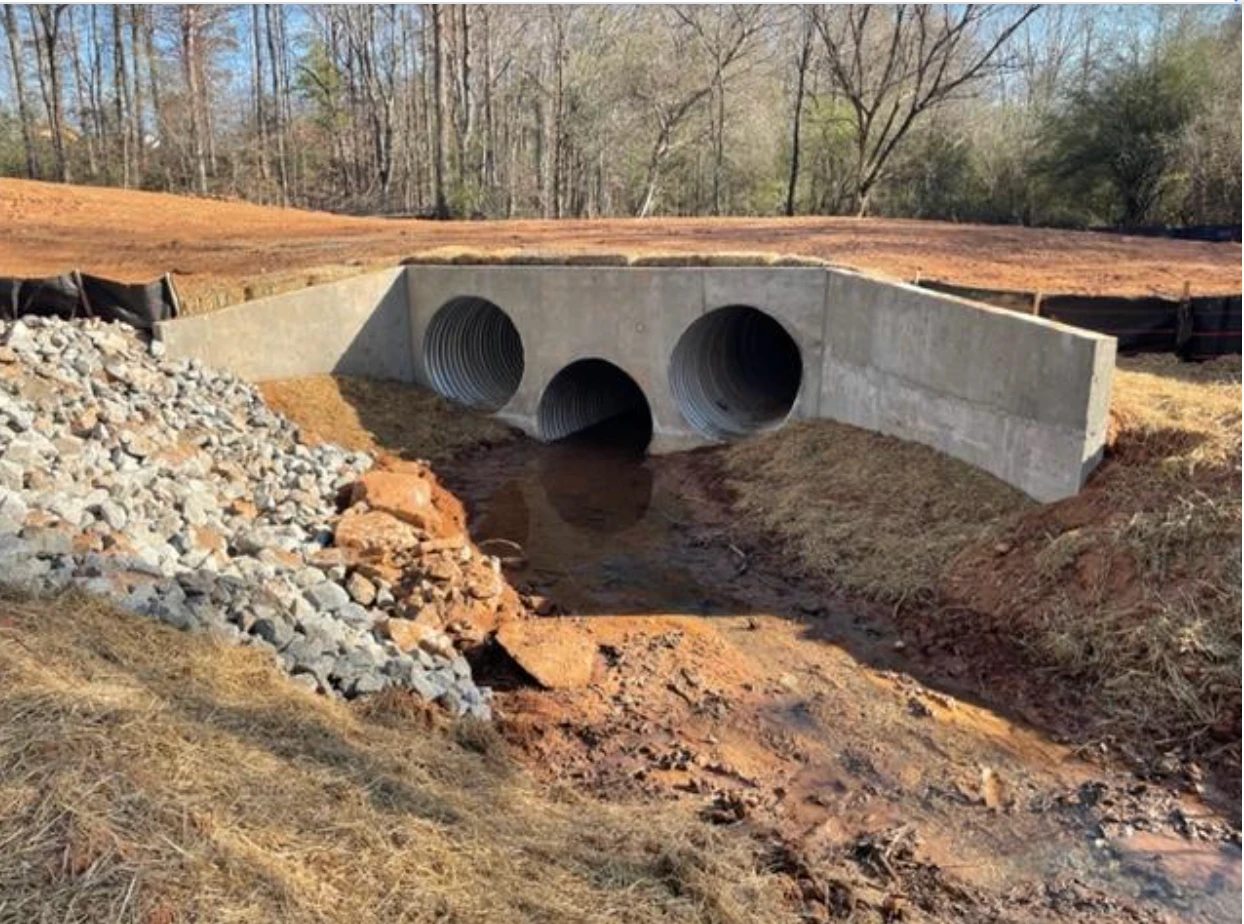
Inlet and outlet construction
Headwalls, end sections, and flared ends
Riprap placement for erosion protection
Tie-ins to ditches, swales, and storm drainage systems
Roadway, driveway, or surface restoration after installation
Each installation is handled with attention to drainage flow and the surrounding site conditions.
Who We Serve
Our culvert installation and replacement services support active construction projects and long-term access needs throughout the Kansas City area.
Contractors & Trade Partners
Excavation and grading contractors
Asphalt and paving crews
Utility and drainage contractors
Culvert work coordinated ahead of base and paving operations
Developers & General Contractors
Site access culverts for new development
Temporary and permanent roadway crossings
Drainage infrastructure during mass grading phases
Municipal & Infrastructure Projects
Cross-drain culverts under local roads
Ditch relief culverts
Replacement of failing or undersized pipes
Spec-driven installation requirements
Large Property & Acreage Owners
Driveway culverts over ditches and swales
Access crossings tied to private roads
Drainage improvements for long-term site use
Our Culvert Installation Process
Why Proper Culvert Installation Matters
Most culvert failures aren’t caused by the pipe itself. They’re caused by poor installation.
Correct execution helps prevent:
Washouts at inlets and outlets
Standing water and overtopping
Settlement above the culvert
Pipe separation or collapse
Erosion that undermines roads or drives
Costly rework after paving or surfacing
Getting slope, bedding, compaction, and protection right the first time saves time and money later.
Accuracy, Equipment & Installation Methods
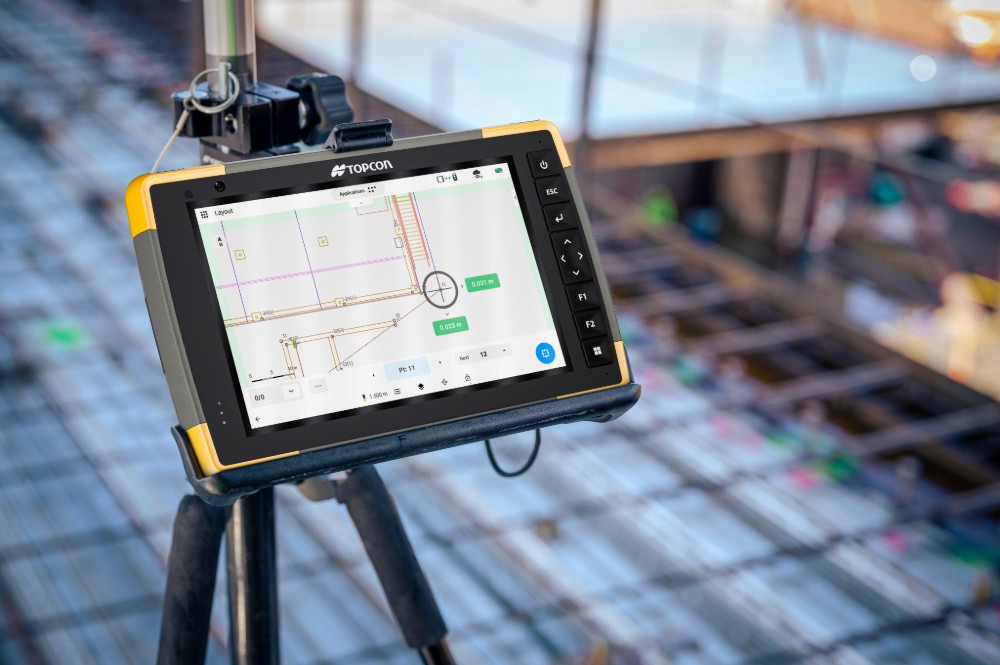
Culvert performance depends on accurate slope, elevation, and compaction. ICON uses GPS machine control to set proper pipe alignment and maintain correct flow line (invert) elevations from inlet to outlet. Bedding and backfill are placed in controlled lifts and compacted based on soil conditions to reduce settlement and protect the roadway or drive above.
Culvert Installation & Replacement FAQs
How do you determine the correct culvert size?
Culvert size is based on drainage area, expected flow, ditch depth, and site conditions. We evaluate these factors during the site review to determine the appropriate pipe size.
What’s the difference between CMP, RCP, and HDPE culverts?
Each material has specific use cases depending on load, depth, drainage requirements, and project specifications. The right choice depends on application and site conditions.
Can you replace a culvert under an existing road or driveway?
Yes. We regularly replace failed culverts beneath existing surfaces and restore the roadway or driveway after installation.
How deep should a culvert be buried?
Burial depth depends on pipe type, load requirements, and surface use. Proper cover and compaction are critical for long-term performance.
Do culverts need headwalls or riprap?
In many cases, yes. Headwalls and riprap help control erosion and protect the inlet and outlet from washouts.