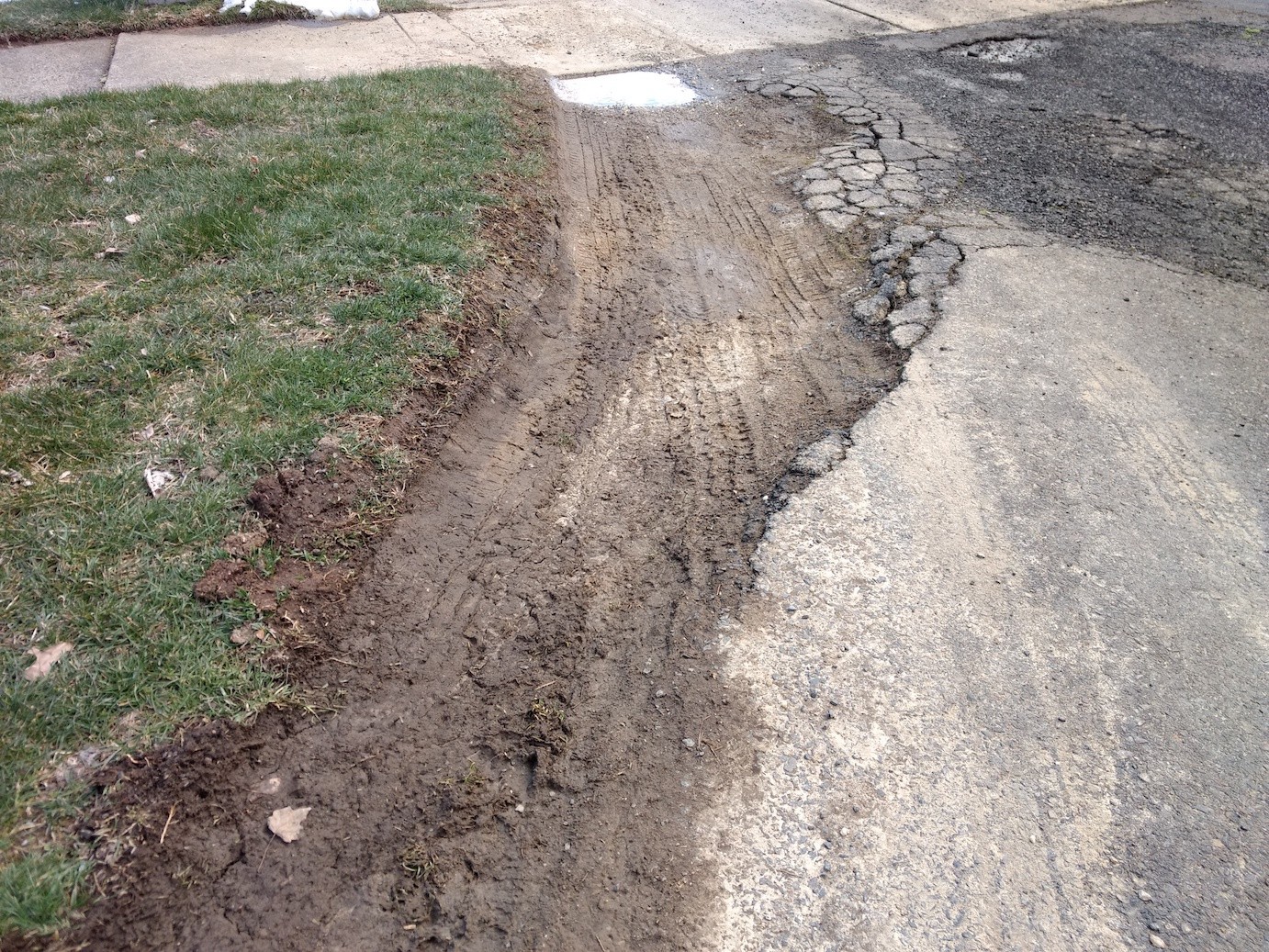
A gravel driveway rarely fails all at once. It breaks down slowly, showing signs long before the surface gives out. Soft spots, ruts, and washouts might seem like simple maintenance issues, but they usually point to deeper problems in the subgrade, base rock, or drainage. These symptoms are your driveway’s way of saying something underneath isn’t working.
Soft Spots: The Driveway’s First Cry for Help
What Soft Spots Say About Your Subgrade
A soft spot is easy to overlook at first. It might feel a little spongy or leave a muddy imprint under your tires. But the ground doesn’t get soft by accident. It means water is sitting in the subgrade or the base rock has already broken down. In many cases, the soil below was never compacted properly or still contains organic material that holds moisture like a sponge.
Why Soft Spots Keep Returning
Gravel alone can’t fix a soft spot. It may cover it for a week or two, but once the moisture rises back up, the area collapses again. This is why many driveways have the same soft patches year after year. The issue isn’t the gravel. It’s the foundation beneath it, which may be thin, saturated, or contaminated with soil that should have been removed during construction.
How Contractors Fix Soft Spots
Fixing a soft spot means repairing the layers beneath the gravel, not just covering the surface. Contractors rebuild the foundation so the area can support traffic without sinking again.
Undercutting the weak or saturated soil. The soft material is removed down to firm ground so the repaired section has a stable foundation.
Installing geotextile fabric for separation. This fabric prevents the soil below from mixing with the rock above, which keeps the base from pumping or disappearing into the subgrade.
Rebuilding the area with compacted base rock. Contractors add rock in layers, compacting each lift so the base gains strength rather than settling later.
Regrading the surface to give water a place to go. Proper slope or crown helps the repaired spot stay dry and reduces the chances of the soft spot returning.
Proof rolling to confirm stability. Heavy equipment is used to test the repaired area. If it doesn’t move under load, the base is ready for traffic.
When these steps are done together, the repaired section becomes stronger than it was originally and far less likely to fail again, even during wet seasons.
Ruts: A Clear Sign the Base Layer Is Breaking Down
Why Ruts Form in the Same Two Tire Paths
Ruts develop when the driveway is too flat or the base is not strong enough to support repeated traffic. Tire pressure forces gravel into the soil, especially when moisture is present. If the driveway lacks crown, water settles directly where vehicles drive, making the problem worse.
Why Ruts Get Worse Over Time
A shallow rut may not seem like a big deal, but once a rut starts holding water, it turns into a much larger problem. As ruts deepen:
Water collects and keeps the base soft
Gravel is pushed to the sides
Potholes form
Vehicles struggle for traction
A rut becomes a permanent low spot until the underlying structure is fixed.
What Actually Fixes Ruts
Light dragging or adding gravel only works when the base is still solid. When ruts keep coming back, a true repair typically includes:
Restoring the crown so water sheds to the shoulders
Adding base rock and compacting it in layers
Shaping the shoulders to help water move away
If the soil beneath the rut is soft, the repair may require undercutting and rebuilding the subgrade.
Washouts: When Water Is Running the Driveway, Not You
How Washouts Develop
Washouts occur when water finds a direct path along or across the driveway. Without proper drainage, water gains speed, cuts through gravel, and erodes the base rock beneath it. This usually happens when:
There is no crown to push water off the surface
The driveway sits on a steep slope
Ditches or swales are missing or filled in
Culverts are clogged or too small
There is no riprap protecting the outlet
What Washouts Say About Your Driveway
A washout is more than missing gravel. It means the driveway isn’t managing water at all. Either the driveway is too flat, too steep, or missing the drainage features needed to keep runoff under control. When water decides its own path, it cuts deeper each time, carrying away base material and exposing the soil below.
How Professionals Repair and Prevent Washouts
To stop a washout from returning, the driveway needs a clear, reliable path for water to follow. Solutions often include:
Regrading the driveway to restore proper crown
Installing or reshaping ditches and swales
Repairing or replacing undersized culverts
Adding riprap at culvert outlets
Strengthening steep sections with thicker base rock and compaction
Once water is controlled, the driveway can be rebuilt with compacted layers of rock that won’t be washed away again.
What These Problems Reveal About Your Driveway’s Structure
Although soft spots, ruts, and washouts look different, they all point to structural issues below the surface.
Soft spots mean the soil or base is saturated or weak
Ruts mean the base is too thin or too flat to shed water
Washouts mean drainage is not working or is missing entirely
A gravel driveway performs well only when the subgrade, base, and drainage are built correctly. Surface gravel is not structural on its own. The layers underneath determine how long the driveway lasts.
Why Soil and Weather Conditions Make These Issues Worse
Some soils drain well. Others trap water and cause driveways to soften quickly. In many areas, clay-heavy soils create problems because they swell when wet and shrink when dry. Add in spring storms or a hard freeze, and the base shifts enough to weaken the surface.
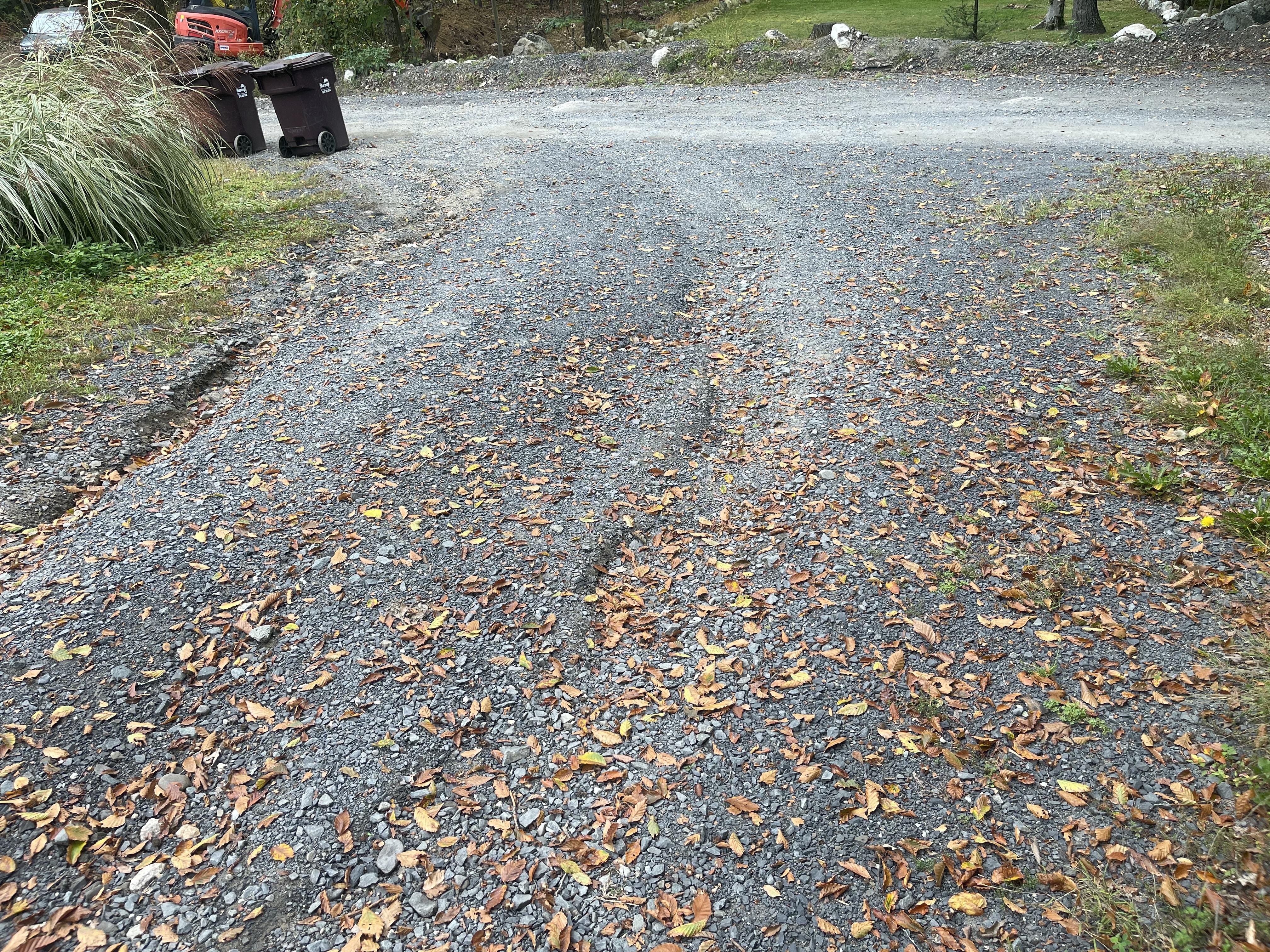
A long lasting driveway needs more than gravel. It needs slopes that guide water away, base rock compacted in layers, and drainage features that keep the entire structure dry. Modern grading equipment allows contractors to build accurate slopes, shape ditches cleanly, and create driveways that hold their form even in difficult soil conditions.
When You Can Handle Repairs Yourself and When You Should Call a Professional
DIY Maintenance Works Well For:
Light rut smoothing
Adding surface gravel to thin areas
Dragging the driveway for minor shaping
Clearing culvert openings
Cleaning out shallow ditches
These tasks help extend the life of a well built driveway.
You Should Call a Contractor When:
Soft spots return after every rain
Ruts hold water or reappear within weeks
Gravel washes away during storms
Culvert ends collapse or plug repeatedly
The driveway becomes difficult to use in wet weather
A long driveway needs new crown or slope built in
These signs mean the driveway needs structural repair rather than surface maintenance.

Common Questions About Soft Spots, Ruts, and Washouts
Why does the same soft spot reappear after every heavy rain?
A recurring soft spot means the soil beneath the driveway is staying saturated. Even if gravel is added, the base never regains strength because water keeps feeding the problem from below. The only long lasting fix is to remove the weak material, rebuild the base in compacted layers, and adjust drainage so the area can actually dry out.
How can I tell if a rut is just a surface issue or a sign of base failure?
If a rut smooths out easily and stays firm, it’s likely a surface issue. When a rut quickly returns, holds water, or feels soft under the tires, the base layer has weakened. That usually means the driveway has lost its crown or the base rock is too thin to support regular traffic.
What causes a driveway to pump water or feel like it moves under the tires?
Pumping happens when water is trapped in the soil or base and gets pushed upward as vehicles pass over it. This is a clear sign of a failing subgrade. Organic soils, poor compaction, or trapped moisture can all cause pumping, and the problem won’t stop until the wet material is removed and replaced.
Why do washouts form on some driveways but not others?
Washouts develop when water gains enough speed and volume to cut into the gravel. Driveways with little or no crown, missing ditches, or undersized culverts are most at risk. Without a controlled path for runoff, storms carve their own path and carry the driveway away with them.
What does it mean if gravel keeps migrating to the edges of the driveway?
Movement of gravel toward the shoulders usually means the driveway is too flat or has lost its crown. Traffic naturally pushes gravel outward, and water follows the same path. Over time, this lowers the center of the driveway and creates recurring low spots that stay wet.
Get a Free Driveway and Drainage Assessment in the Kansas City Metro
If your driveway has soft spots, ruts, or washouts, ICON can identify the root cause and rebuild it the right way. We serve the entire Kansas City metro, including Grain Valley, Blue Springs, Lee’s Summit, Independence, Oak Grove, Liberty, Raytown, and nearby communities. Contact us today.
More Articles

Load More