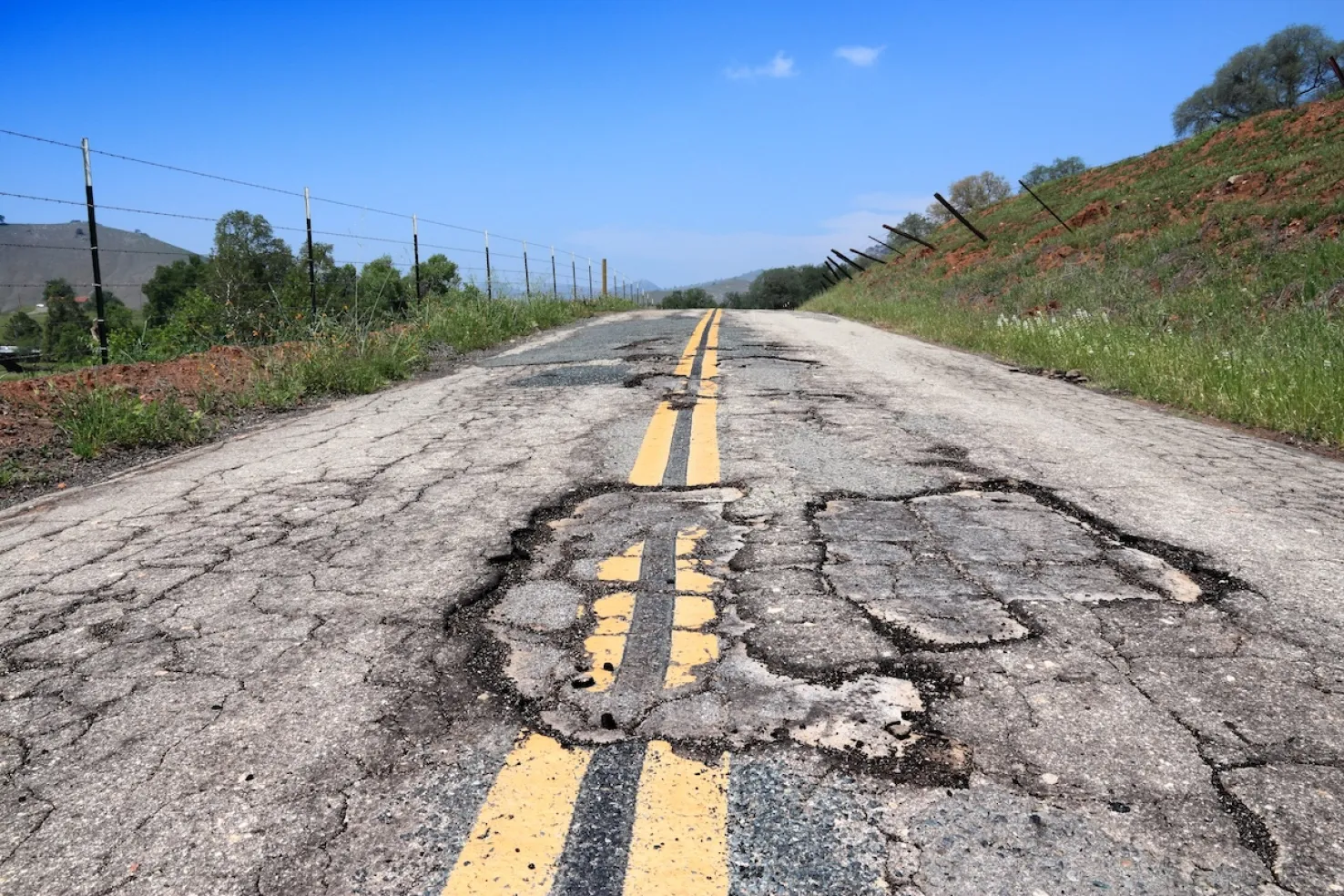
If you’ve ever watched a “finished” subgrade turn soft after one rain, you already know the problem isn’t the asphalt. It’s the ground underneath it.
Kansas City-area clay soils can look fine one day and fail a proof-roll the next. They hold moisture, lose bearing strength fast, and can shift as conditions change. If roadway prep doesn’t account for that, you get the usual suspects: pumping, rutting, soft spots, base contamination, and pavement that starts cracking way too early.
This guide breaks down what fails, why it fails, and what proper roadway prep looks like in KC clay so you can hand off to paving on schedule and with fewer callbacks.
Why KC Clay Soils Cause Roadway Prep Problems
Not all “dirt” behaves the same. Clay-heavy soils around the Kansas City metro tend to be moisture-sensitive, meaning their strength changes a lot depending on water content.
Here’s what makes clay a headache for roadway prep:
It holds water. Clay drains slowly. After rain, it can stay wet underneath the surface even when the top looks dry.
It softens quickly. Wet clay loses bearing capacity, so it can’t support construction traffic or base loads the same way.
It moves with moisture swings. Clay can expand when wet and shrink when dry, creating small elevation changes and stress in the pavement system over time.
It’s easy to “cover up” temporarily. You can place more rock and make the surface look firm… until that rock pushes into the clay or the clay pumps back up.
Common Signs Roadway Prep is Failing
Most roadway failures start with the subgrade. The sooner you spot it, the cheaper it is to fix.
Pumping during proof-roll: Proof-roll (a loaded pass to find weak areas) shows the subgrade flexing or “pushing” water and fines up. If it pumps, it’s not ready.
Rutting under construction traffic: Haul trucks and rollers leave ruts even after “compaction.” That’s a sign the subgrade is too wet or too weak.
Base rock disappearing: You place aggregate base and it seems to vanish into the subgrade, or you keep adding rock and never “build up.”
Soft spots that won’t stabilize: You chase the same spots repeatedly with rework and they come back after rain or traffic.
Deflection and cracking soon after paving: If the pavement flexes and cracks early, it’s often a moving foundation problem.
If any of these are happening, you’re usually not dealing with a paving issue. You’re dealing with a subgrade and moisture issue.
What Causes These Failures
Kansas City clay problems aren’t mysterious. The causes are predictable and usually tied to moisture, support, and drainage.
1. Building on Clay Without Controlling Moisture
Clay strength depends heavily on moisture content. If the subgrade is too wet, you can roll it all day and still not hit stable density.
What this looks like in the field:
Roller “walks” the soil (surface waves)
Subgrade looks tight, then turns soft under traffic
Failures get worse after rain, even if the surface was graded nicely
2. Skipping Proof-Roll or Ignoring the Results
Proof-rolling is used to identify weak subgrade areas before base is placed. If the proof-roll shows pumping, deflection, or rutting, those sections are not stable and will continue to cause problems if they’re built over. At that point, the subgrade needs to be corrected through undercut, stabilization, drainage improvements, or separation, not just additional grading or base.
3. Treating Every Clay Problem the Same
This is the big one. Clay failures can look similar on the surface, but the correct fix depends on the cause.
Some sections need undercut (remove unsuitable material).
Some sections need stabilization (improve the soil itself).
Some sections need drainage fixes so the clay can actually stay stable.
Some need geotextile to keep base rock from mixing into the clay.
The wrong fix is expensive because you pay twice: once to “try something,” then again when it fails.
Why “More Base Rock” Doesn’t Fix Clay Problems
“Let’s just add more rock” is one of the most common reactions, and it’s often the fastest path to base failure.
Here’s why:
Base contamination: Wet clay and fines work up into the aggregate base, reducing strength and drainage.
Rock gets pressed into soft subgrade: Instead of building a strong section, you’re pushing stone into mud.
Load still transfers to weak soil: Pavement and base are only as good as what’s underneath them.
Problems come back after rain: Even if it feels tight on a dry day, moisture changes can bring failure right back.
Base thickness matters, but it’s not a substitute for stable subgrade, separation, and drainage.
What Proper Roadway Prep Looks Like in KC Clay Soils
Good roadway prep in Kansas City clay soils comes down to following the basics in the correct sequence. Clay is sensitive to moisture and load, so skipping steps or treating everything the same often leads to failure. Below is what proper roadway prep typically includes when projects hold up long-term.
1. Evaluate the Subgrade and Proof-Roll It
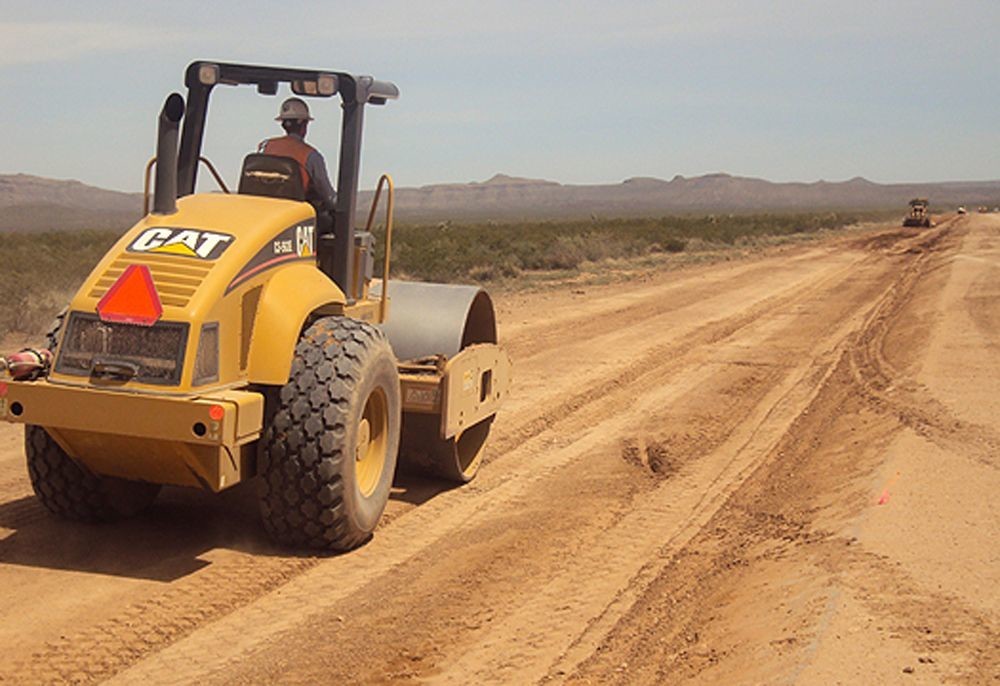
Subgrade is the native soil that supports everything above it. Before placing base, you want to proof-roll and identify weak zones.
What you’re looking for:
deflection
pumping
rutting
inconsistent support along the alignment
This is where you decide what the fix is, instead of guessing.
2. Undercut and Replace When Soils Are Unsuitable
Undercut means removing soft, wet, or unsuitable material until you reach stable soil, then rebuilding with proper fill and compaction.
Undercut is usually the right move when:
the weak zone is localized (soft pockets)
the soil is saturated and won’t “dry back”
organics or unsuitable materials are present
repeated proof-roll failures are isolated to certain areas
3. Stabilize Clay When the Issue Is Widespread
Stabilization improves weak or moisture-sensitive soils so they can support construction loads more consistently. This is typically done using lime or cement-based treatments, as designed, to increase strength and reduce movement over time.
Stabilization often makes sense when:
the alignment is consistently weak across a long run
clay is moisture-sensitive and keeps reworking
you need a reliable platform to stay on schedule
(Note: stabilization approach should match project specs and soil conditions. Some projects require testing and mix design.)
4) Use Geotextile When Separation Is the Problem
Geotextile is a fabric layer used to separate materials, reduce mixing, and improve performance in certain conditions.
It’s commonly used when:
clay fines are migrating up into the base
base rock is pressing down into the subgrade
you need separation to protect your aggregate base section
5) Control Drainage So the Subgrade Can Stay Stable
Drainage is not a “nice to have” in clay soil. It’s what keeps your work from getting undone.
Key elements include:
shaping crown and cross-slope so water sheds correctly
building ditches/swales that move water off the section
installing culverts (with correct inlets/outlets, headwalls, riprap as needed)
protecting outlets so you don’t create erosion that undercuts the roadway later
If water is trapped in the system, clay will eventually punish the pavement.
6) Hit Compaction Targets and Finish Grade Clean
Compaction should meet project specs, often tied to Modified Proctor (a lab-based density/moisture standard). In simple terms: it’s a way to define “tight enough” and “at the right moisture.”
Then you want fine/finish grading so paving has a clean, predictable handoff:
consistent elevations
correct slopes for drainage
stable, proof-rolled subgrade/base section
Why KC Roadway Prep Benefits From Local Experience
Kansas City sites can vary a lot within the same project. One side of a site may cut into different materials than another. Some areas stay wet longer. Some sections fail only where drainage concentrates.
Local experience helps with:
knowing where clay stays wet and soft (and planning sequences around it)
coordinating drainage early so the roadway section has a chance to stay stable
building schedules that account for moisture conditions, not just calendar dates
getting to a clean handoff to paving with fewer surprises
When to Call a Roadway Prep Contractor
If you’re seeing any of the below, it’s usually cheaper to diagnose it early than to keep reworking it:
repeated proof-roll failures
pumping or deflection that comes back after rain
base rock disappearing or mixing with fines
soft spots that delay the paving schedule
early cracking or settlement on similar past projects
A short site visit can usually tell you whether you’re looking at undercut, stabilization, geotextile, drainage corrections, or a combination.

Roadway Prep FAQs
What does it mean when subgrade “pumps” during proof-roll?
It typically means the subgrade is too wet or too weak, and the load is forcing water and fines to move. That movement is a sign the soil isn’t providing stable support yet.
When should you undercut vs stabilize clay soils?
Undercut is often best for localized failures or unsuitable material. Stabilization is often better when weakness is widespread and you need a consistent working platform across a longer stretch.
Can you build a road directly on clay?
Sometimes, but it depends on soil condition, moisture, specs, and traffic loads. Clay usually needs proper moisture conditioning, compaction, drainage, and often separation or stabilization to perform well long-term.
How does moisture affect compaction?
Clay compacts differently depending on moisture content. Too wet and it will “pump” or deflect. Too dry and it may not achieve density or bond well. That’s why moisture conditioning and compaction targets (often Modified Proctor-based) matter.
Why does roadway prep fail after heavy rain?
Because clay holds water and loses strength when wet. If water can’t drain away, the subgrade softens and you get pumping, rutting, and base contamination.
Having Subgrade Problems in Kansas City? Call Us!
If your roadway section in the Kansas City area keeps failing proof-roll, pumping, or turning soft after rain, call ICON. We’ll do a site visit, pinpoint what’s failing, and recommend the right fix, whether that’s undercut, stabilization, geotextile separation, drainage, or a combination. Get a Site Visit & Quote
More Articles

Load More