Operators considering a move to Kansas City want to know one thing. Is the work here steady enough to build a career on? It is. KC runs a diversified construction pipeline, a long working season, and soil that rewards real skill. What follows is a straight read on the work, the demand, and where the trade is headed.
The Kansas City Metro Has a Steady Excavation Pipeline, Not a Boom Cycle
Many construction markets run on a single engine. One sector heats up, operators flood in, and when it cools the work goes with it. Kansas City does not work that way. Demand for excavation and grading runs across several sectors at once, which keeps operators busy through cycles that would slow a less diversified metro.
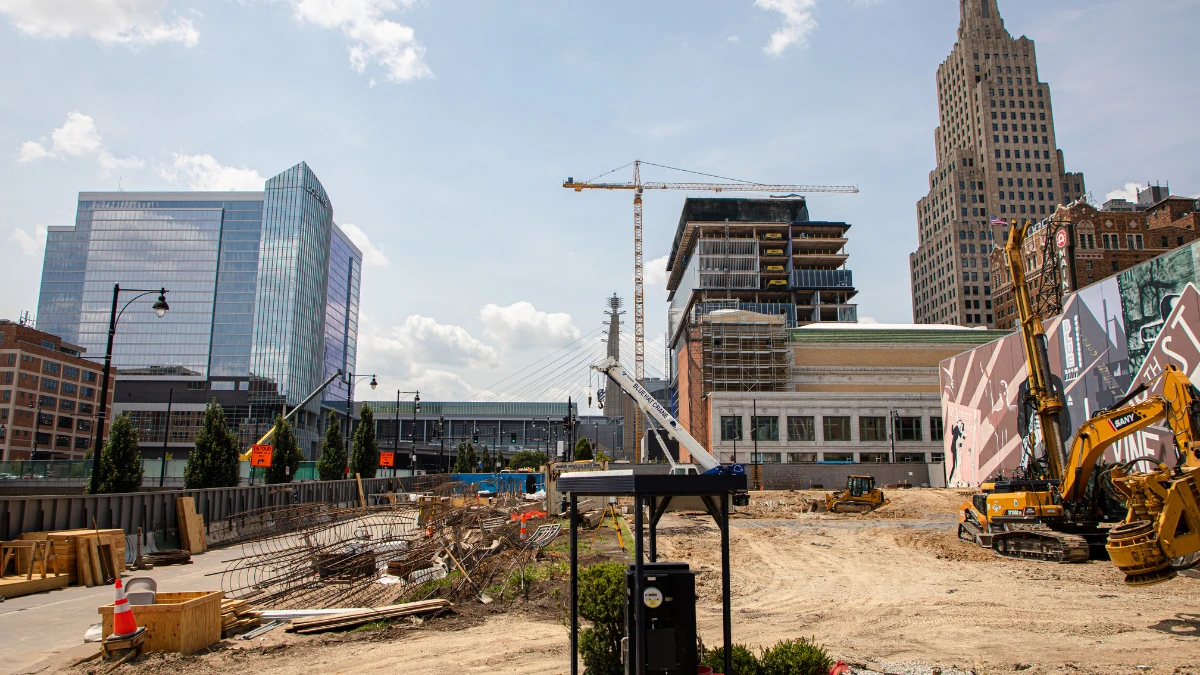
Residential growth is the most visible driver, with Eastern Jackson County one of the more active growth zones in the region and consistent new construction across Lee's Summit, Blue Springs, Grain Valley, and the corridors pushing east toward Oak Grove. Commercial and industrial work runs alongside it, with distribution and logistics development continuing along I-70, I-435, and the corridors south of the river. On top of that sit municipal infrastructure work, aging culverts, utility expansion behind every new subdivision, and rural site work outside the urban core.
That mix matters for anyone starting out. An operator who has only run a dozer on flat commercial pads is a different employee than one who has cut a culvert in, set finish grade for a custom home, and pushed a pond perimeter on rural ground. In a single KC season, an operator at most full-service shops will move between work like:
Building pads for residential and light commercial projects
Mass grading on larger commercial sites
Utility trenching for water, sewer, and conduit
Culvert installation and replacement
Roadway prep, subgrade stabilization, and base work
Pond excavation, reclamation, and leak repair
Land clearing, demo, and finish grading
That range is part of what builds a versatile operator. One season into the work, the seat time stops being theoretical.
Kansas City Clay Is Why Skilled Operators Stay in Demand
Anyone who has graded in Kansas City has a story about the clay. The soil across most of the metro is a mix of silty clays and high-plasticity clays sitting over weathered shale and limestone. It holds water. It swells when wet and shrinks when dry. It can read tight at proof-roll in the morning and start pumping under load by mid-afternoon if a storm moved through overnight.
That is hard ground to grade on, and it is the reason skilled operators in this market are worth more than they would be in a sandier, faster-draining region. The contractors hiring here need operators who can read moisture, time the cut around how clay handles in the morning versus the afternoon, grade tight enough that drainage actually performs in slow-draining soil, and plan around the freeze-thaw cycle that punishes sloppy compaction once spring rains start.
Operators who develop those skills in KC have a portable skill set. Clay grading is one of the harder forms of the work, and anyone who can hold tight grade in expansive clay can hold tight grade almost anywhere.
GPS Machine Control Is the New Baseline, and KC Crews Are Running It
Ten years ago, a skilled operator was someone who could grade off stakes and a stringline. That is still a real skill. But the baseline at professional grading shops has shifted. Most serious contractors in the metro now run GPS machine control on at least some of their iron, usually built around Topcon, Trimble, or Leica systems with 3D model integration.
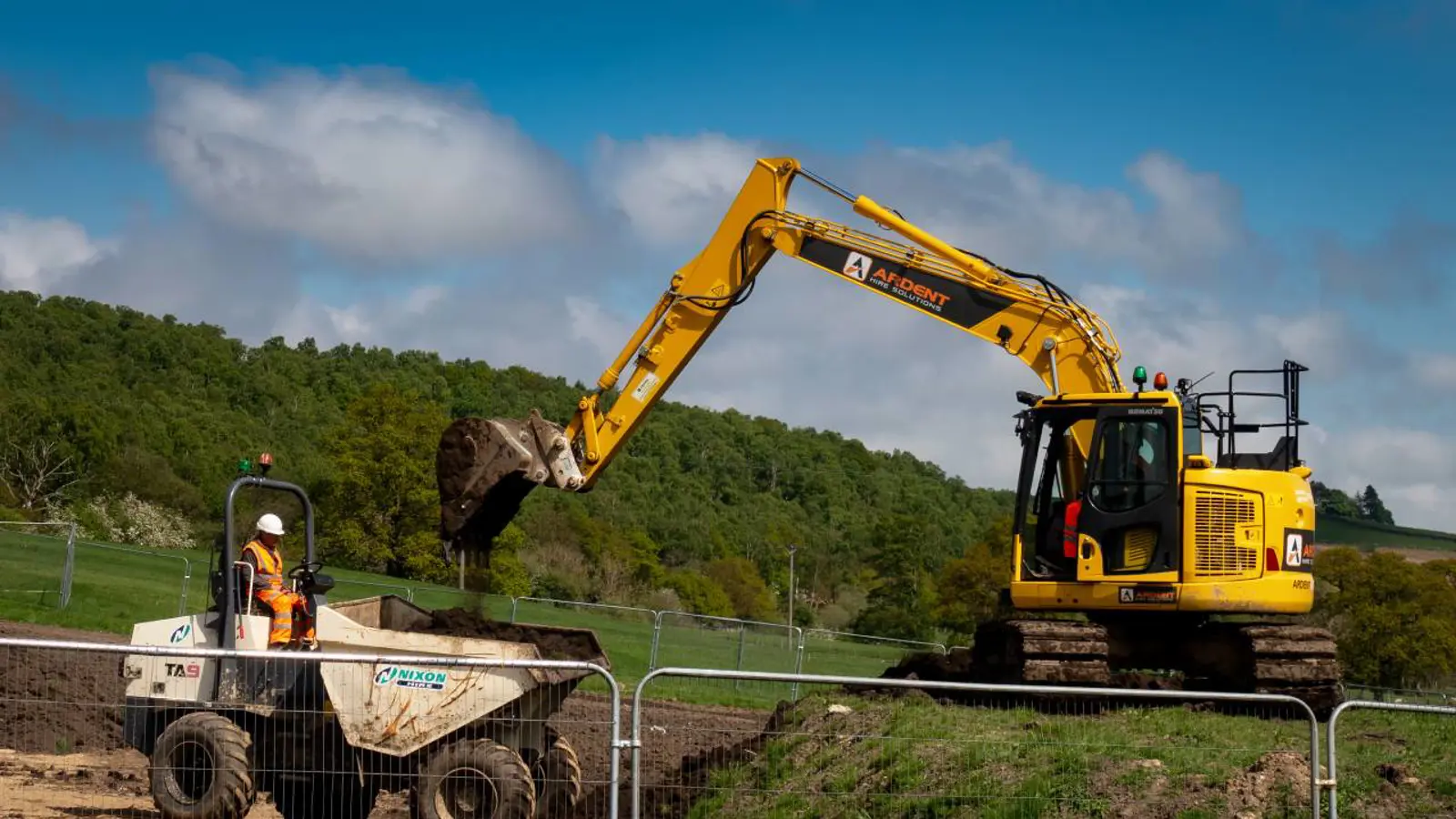
For an operator, that matters in two ways. First, the work changes. The screen in the cab shows grade against the design in real time. Production goes up. Re-do work goes down. Second, career value changes. An operator who can run GPS-equipped dozers and excavators is qualified to work at every serious shop in the region for the next twenty years. KC crews adopting this technology, including shops running Topcon GPS machine control systems with 3D model integration, are effectively training operators on equipment they will see at every modern site for the rest of their careers.
What Skills and Certifications Actually Matter to KC Contractors
Hiring managers in this market are practical. The pieces of paper matter less than what an operator can do in the seat. Here is what tends to come up when KC shops evaluate candidates:
Real seat time: Hours on dozers, excavators, skid steers, and motor graders. There is no substitute.
Ability to read grade: From stakes, plans, or a GPS screen. The medium changes; the skill does not.
CDL: Useful, sometimes required. A Class A makes an operator more flexible for shops that move their own equipment.
OSHA 10 or 30: Standard expectation on commercial sites and a fast way to show you take safety seriously.
Trench and confined space awareness: Important for utility work and required at most professional shops.
Soft skills: Showing up on time, communicating with the foreman, taking care of the equipment. Shops remember who does.
Newer operators sometimes assume they need every certification before anyone will hire them. That is rarely true at smaller shops. A green operator who listens, works hard, and treats the iron right will outpace a credentialed one who does not.
Pay, Career Growth, and the Long-Term Outlook
Specific wage numbers move around, and any honest read should avoid pretending otherwise. What is fair to say is that operator pay in the KC metro has been trending up alongside demand, and that cost of living here is well below the national average for major metros. Take-home pay tends to go further in Kansas City than on either coast.
Career growth at smaller, owner-operated shops often moves faster than at large national contractors. Fewer layers, decisions made in the field, and an operator who proves themselves can move from entry-level seat time to operator, lead operator, foreman, and superintendent without waiting for a corporate slot to open.
The long-term outlook is solid. Kansas City is on a real growth runway driven by factors that do not reverse in a year. Population continues to climb, Eastern Jackson County keeps adding rooftops, industrial and logistics development continues along KC's freight corridors, and aging stormwater, sewer, and culvert infrastructure creates ongoing rehabilitation work. On top of that, the trade is dealing with a long-term operator shortage as the generation that came up in the 80s and 90s ages out. Demand is there.
Frequently Asked Questions
Is there steady year-round excavation work in Kansas City?
There is steady work across most of the year. The full working season typically runs from early spring through late fall, with the slowest stretch falling between mid-December and mid-February when hard freezes pause site work.
Do I need a CDL to get hired as an excavation operator in KC?
A CDL is not required at every shop, but it makes an operator more flexible since many KC contractors move their own equipment between job sites. A Class A is the most common ask.
How long does it take to become a skilled operator?
Most operators reach a solid baseline in two to three seasons of consistent work, with another two or three years on top of that to get genuinely skilled across multiple machines. Shops that put new operators on varied work speed that path up.
Is GPS machine control hard to learn if I have not run it before?
Not for operators who already know how to grade. The screen and the controls are new, but the underlying skill of reading grade and moving material is the same.
What is the working season like in the Kansas City metro?
The KC working season runs longer than markets further north. Crews are typically pushing dirt by mid-March and continue through November, with December often still in play depending on the weather.
The Bottom Line for Operators Weighing the KC Market
ICON Grading is a Grain Valley based contractor running modern iron across Eastern Jackson County and the wider KC metro. See current openings on our careers page, or reach out directly to get in touch with the team.
More Articles

Load More