The listing says GPS machine control experience preferred. You have real seat time, cutting pads and holding grade off stakes and a checker. Now most equipment operator jobs in Kansas City seem to want screen time you never got. The good news: what counts as GPS experience is simpler than the postings make it sound. So is building it without paying for a course.
What GPS Experience Means on an Equipment Operator Job Listing
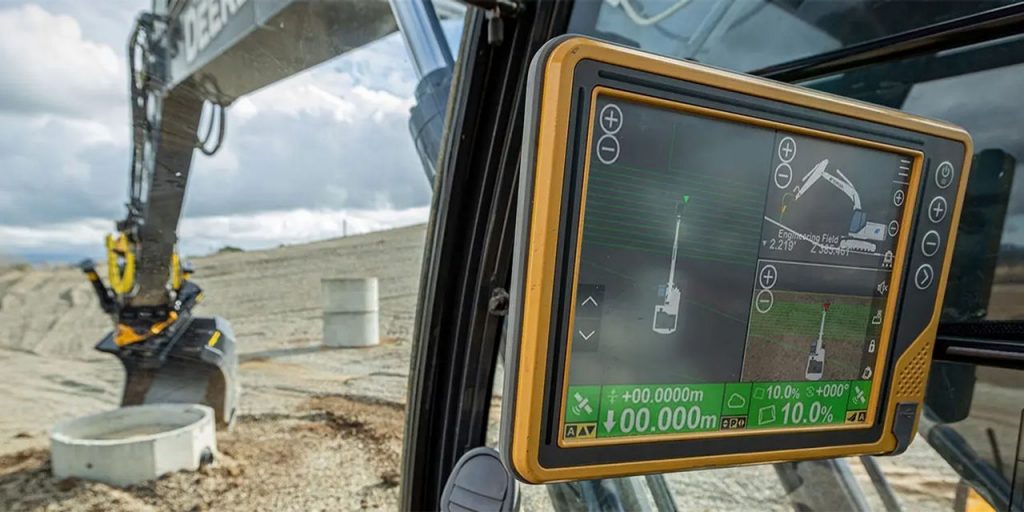
When a posting asks for GPS experience, it is asking one question: can you run a machine that knows where its cutting edge is? GPS machine control, which many crews just call grade control, ties receivers on the dozer or excavator to a digital model of the finished site. The display shows exactly how much cut or fill sits under the blade at any moment. No stakes to chase, and no waiting on a grade checker to shoot elevations.
The experience listings ask about breaks into two levels:
Indicate systems. The screen shows cut and fill against the design surface, and the operator makes every move. The skill is reading the display while still reading the ground.
Automatic systems. The machine holds blade elevation and slope on its own while the operator steers, manages material, and watches the work. The skill shifts to planning passes and catching problems the system cannot see.
There is also a workflow wrapped around the machine. That workflow is what separates an operator with GPS experience from one who has just sat in a GPS cab. It means loading the right surface file and benching the blade on a known point before the first push. It also means noticing when the numbers on the screen stop matching what the material is doing. Heavy equipment operator jobs that list GPS as a requirement are usually screening for that judgment, not for a certificate.
How GPS Machine Control Works From the Operator's Seat
A GPS day starts differently. The site model is already loaded, the base station is up, and the machine localizes to the site in minutes. From there the display carries the design: cut and fill numbers at the corners of the blade, the target surface in profile, and offsets for topsoil stripping when the job calls for them.
What changes most is rhythm. Conventional grading is a loop of cut, wait, check, adjust. GPS grading is continuous, because the check rides with you. Operators moving material to a screen for the first time describe the same adjustment: learning to trust the number, then learning when not to. A worn cutting edge, a bumped mast, or a bad localization will lie to you. That is why the daily bench check exists, and why experienced hands still get out of the cab and look at the work.
The hardware behind this is a set of GNSS receivers matched to a 3D site model. It is the kind of GPS machine control setup running every day on grading and excavation sites across the metro. Brands differ, with Topcon, Trimble, and Leica covering most of the market, but the concepts transfer. An operator who learns one system can move to another in days.
Why GPS Skills Matter More in Kansas City Clay
In forgiving soils, missing finish grade by a tenth of a foot is a cosmetic problem. In Kansas City expansive clay, it is a drainage problem, and drainage problems here become structural ones.
The clay across Eastern Jackson County and the wider metro is moisture sensitive and slow draining. A shallow low spot on a pad or lot holds water. The clay under it softens and loses strength, and subgrade that rolled tight in the dry can start pumping under load after the next rain. Add freeze-thaw cycles that pry apart anything holding moisture, and the margin for sloppy grade shrinks to almost nothing.
That is why contractors in this market weight GPS skills heavier than contractors working sand or well-drained loam. Tight grade in KC clay works as drainage insurance. Machines that hold tolerance in hundredths are how crews deliver positive drainage on soil that punishes anything less. An operator who can produce that grade is worth more here, plain and simple.

How Operators Get GPS Experience Without Paying for It
The fastest path is a seat with a contractor that runs GPS every day. This is a trade skill learned in the dirt, not a degree program, and the learning curve is short for anyone who can already operate. Most experienced operators pick up an indicate system in a day or two and get comfortable on automatics inside a week with someone coaching from the ground.
A few practical routes:
Hire on and learn in-house. Owner-operated outfits that invested in the technology teach it, because they would rather put the screen in front of someone who can already read ground than hire screen time with no feel for material.
Dealer training. Topcon and Trimble dealers run operator training when systems are purchased, and crews often cycle newer operators through it.
Start on rough grade. Bulk pushes and rough pads build screen habits with room for error before finish grade tightens the tolerance.
Read the listings with that in mind. Preferred means the company trains. Even required often means willing to learn fast at smaller outfits. Crews hiring for heavy equipment operator openings in Kansas City tend to care more about seat time and grade sense than about which brand of display an applicant has stared at.
What GPS Experience Does for Pay and Advancement
GPS-designated roles carry a premium. Finish grade and GPS dozer operator postings that require machine control experience regularly advertise top-of-scale hourly rates, because one operator holding grade to the model replaces rework, extra staking, and a full-time checker. Contractors pay for that math. It holds across the Kansas City metro, where steady dirt work keeps demand for excavation operators strong.
The skill also compounds. Operators who run GPS end up checking grade with a rover, loading and managing model files, and helping set up systems on other machines. That is exactly the kind of scope that puts a name forward when a crew needs a lead, and it is the technical footing that supports moving from operator to foreman instead of staying in the seat by default.
Frequently Asked Questions
Do I need GPS experience to get hired as an equipment operator?
Not usually. Many contractors list it as preferred and train capable operators in-house. Solid seat time and grade sense matter more than prior screen time at most owner-operated companies.
How long does it take to learn GPS machine control?
Experienced operators typically learn an indicate system in a day or two. Automatic systems take three to five days of hands-on work before an operator is comfortable and productive.
Does GPS grading pay more than conventional operating?
Generally yes. Finish grade roles that require machine control experience post some of the highest hourly rates in the dirt-work trades because the skill directly cuts rework and survey costs.
Are GPS systems the same across brands like Topcon and Trimble?
The menus differ but the concepts are identical: receivers, a design surface, and cut-fill guidance. Operators who learn one platform usually cross over to another within a few days.
Does GPS replace operator skill?
No. The system holds the blade to a model, but it cannot plan passes, manage wet clay, or catch a bad reading. Machine control makes a good operator faster; it does not make a poor one good.
Where to Build GPS Experience in Kansas City
GPS machine control is a rare kind of career skill: short learning curve, long payoff. In a clay market that punishes loose grade, it is only getting more valuable. The fastest way to build it is a seat with a contractor that runs the technology daily and teaches it in the dirt.
ICON is currently hiring and training operators; see current openings or get in touch at (816) 867-5134.
More Articles

Load More